
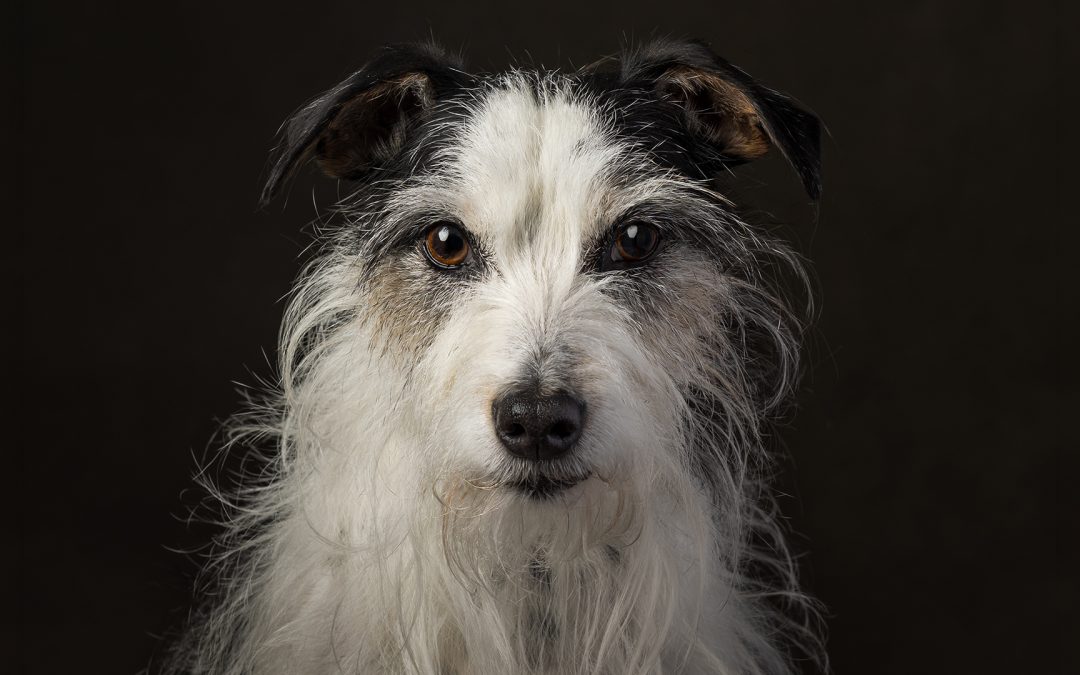
Senior dogs have a special charm. The frosted muzzle, the unhurried walk, the quiet confidence of a dog who knows they sit at the top of the household pecking order.
I’m writing this with two seniors of my own. Indy is a rough coat Jack Russell Terrier who turned 15 this past July, and Lucca is an 11-year-old Texas mystery mix. You’ll meet them both throughout this post.
Most dogs are considered seniors around age seven, sooner for giant breeds and later for small ones, but every dog ages on their own schedule. November is Senior Pet Month, so here are some senior dog care tips, including a few local favourites, to help yours make the most of these years.
1. Senior dog vet visits: twice a year if you can
Many vets recommend senior check-ups every six months, because changes can happen quickly at this stage. Bloodwork, a urine test, a dental check and a weigh-in tell you a lot. Mention every change you’ve noticed, even if it seems small. “He seems to be slowing down” is sometimes pain that can be treated.
Indy had his senior check in January, and it showed slightly elevated liver enzymes. Recently he had a second blood and urine panel to look into possible kidney issues. Not only did it rule out kidney problems, it let the vet compare the liver enzymes to January’s panel, and they had actually improved. Having that earlier result to compare against is a big part of why regular check-ups are worth it.
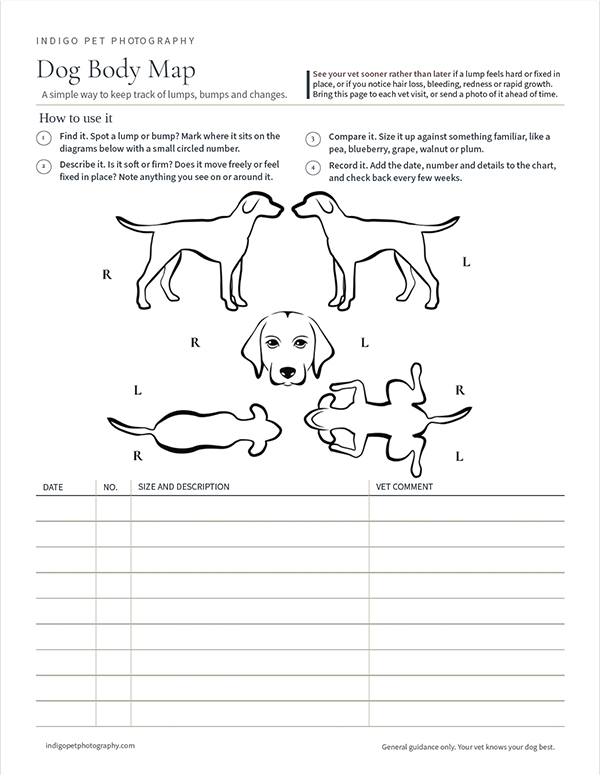
I also recommend keeping a body diagram, like the one I’ve linked here. Record the size and shape of any lumps you find and share the chart with your vet. It helps signal when things are changing or growing. Download my body chart (PDF) and start mapping the lumps out.
2. Make home a little easier for a senior dog
Slippery floors are tough on older joints. Indy’s feet frequently slide out from under him. I already had a few runners and rugs, and they made a big difference, so I’ve added yoga mats in the spaces in between. Is it visually a bit messy? Yes, but they’re easy enough to roll up when people come over.
Upgrade your dog beds, or put an orthopedic crate pad under an existing bed. Orthopedic beds use thick memory foam or supportive egg-crate foam to relieve pressure on joints, hips, and the spine. You can also look into a ramp or steps for the couch or the car. It may take a little training to get them to use a ramp, but a handful of training treats will help them adapt.
3. Gentle exercise and easy walks in Niagara
Of course it depends on their age and mobility but generally speaking, shorter, more frequent walks often suit older dogs better than one big outing. Let your dog sniff and set the pace. Gentle activity helps keep muscles strong and joints mobile. Motion is lotion, as my physiotherapist says. I’d also suggest switching from a collar to a comfortable harness. It’s taken the pressure off the boys’ necks and throats, which makes me, and them, a lot happier on our walks.
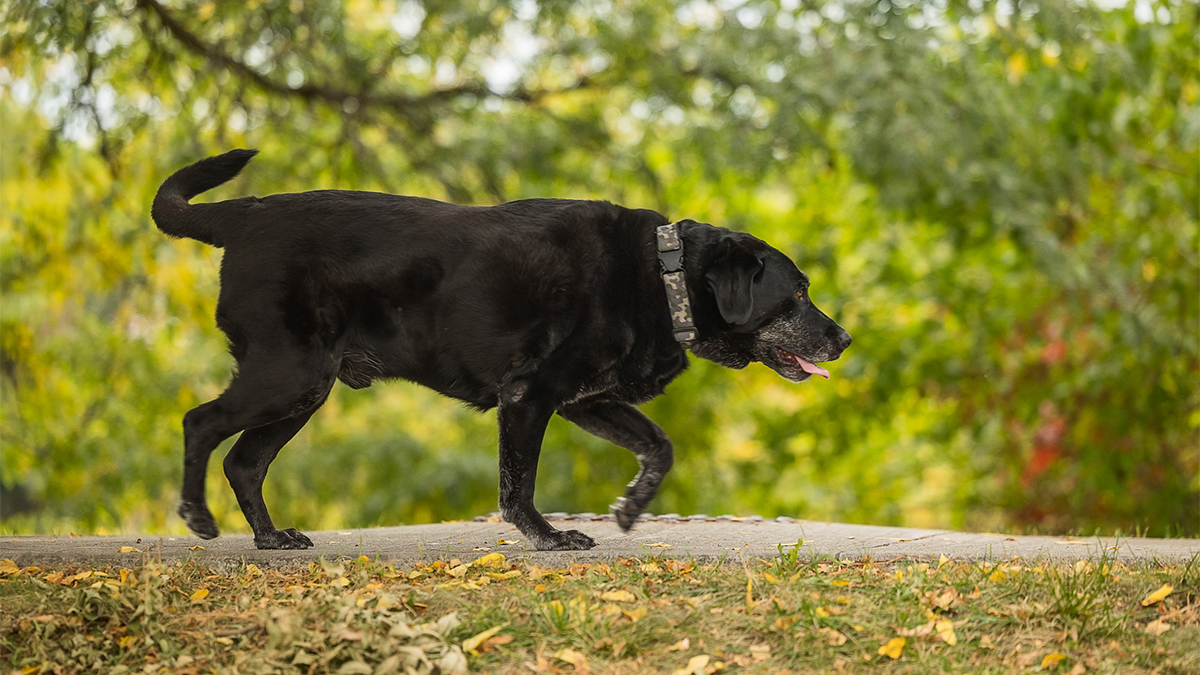
I’ve pulled together a comparison of some of the easier walks for senior dogs. And if your dog would rather explore off leash, or simply lie in the sun, look for private dog parks you can book. I have one in Vineland that I particularly like to visit, up near the Golf Course.
Walkies: easy outings for slow-paced sniffers
| Walk | Where | Underfoot | Good to know |
|---|---|---|---|
| Port Dalhousie piers and harbour walk | Port Dalhousie, St. Catharines | Stone dust, concrete and boardwalk, about 3 km end to end | Accessible, with cafés and shops close by for the post-saunter treat |
| The Commons | Niagara-on-the-Lake | Open green space | Check current leash rules before you go |
| Montebello Park | St. Catharines | Paved park paths | A very easy saunter, with the rose garden to wander through |
| Charles Daley Park | Lincoln, off the North Service Road | Green space, two beaches and creek access | Free parking |
| Steve Bauer Trail | Pelham | Flat old rail bed, paved in the southern stretch, packed dirt, grass and gravel to the north | A few narrow or overgrown patches up north |
| St. Johns Conservation Area, Pond Loop | Pelham (Fonthill) | Boardwalk around the pond | Lots of benches, free parking, leashed dogs welcome, and seasonal hours |
| Welland Canal Trail, Merritt Island | Welland | Asphalt path | Completely shaded with lots of benches |
| George Nicholson Memorial Trail | Port Weller, St. Catharines | Flat, wide dirt path, about 3 km one way | Water views at the tip where the canal meets the lake |
| Queenston Heights Park | Queenston, Niagara-on-the-Lake | Parkland with a picnic area, and a short climb up to Brock’s Monument | Dogs on leash, with parking and restrooms on site |
Leash up on city trails, and check each spot’s posted rules and hours before you head out.
4. Canine rehab and massage in Niagara
So many reasons to investigate this for your senior. Muscle atrophy, joint health, maintaining balance… sounds familiar to me as an aging human too!
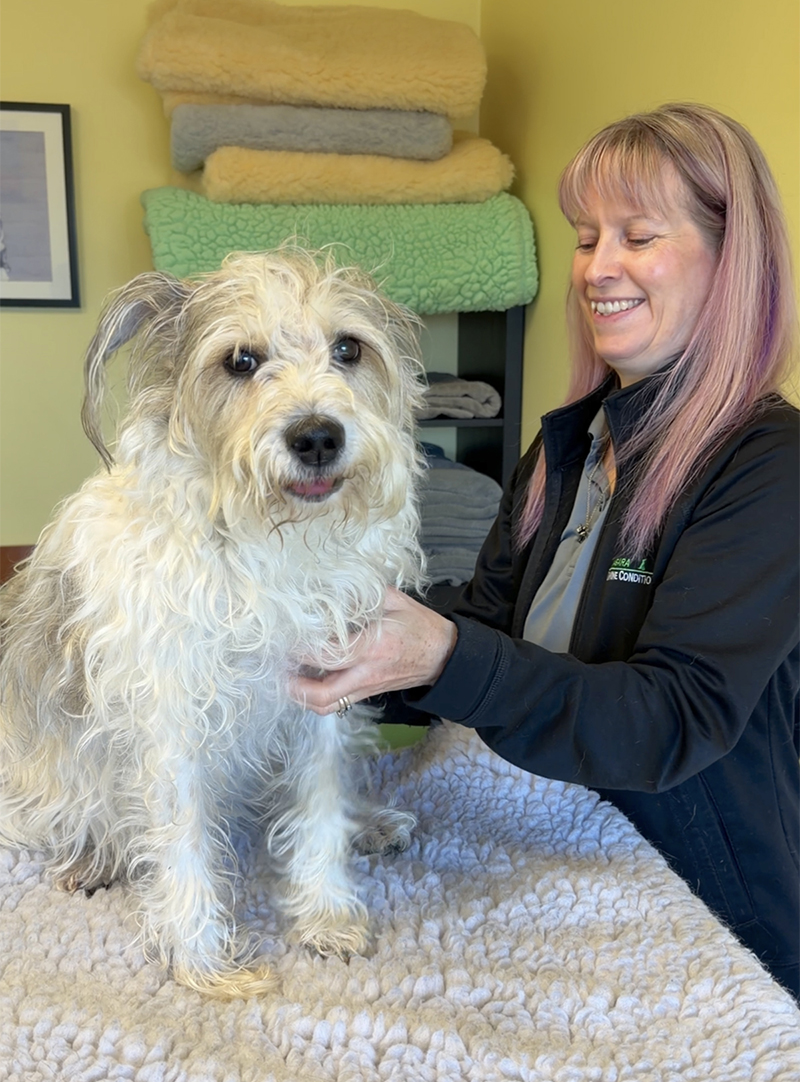
In his youth, Indy had two ACL tears along with the accompanying surgeries, and you can bet that arthritis is kicking in now. I’ve taken both Indy and Lucca to Niagara Canine Conditioning Centre (NCCC) in St. Catharines for laser therapy, massage and exercises over the last couple of years. Indy’s even been for a few swims. They use a variety of therapy types to help ease old joints and muscles, and they tailor what they do to what ails your dog. They’ll also send you home with a collection of exercises and massages in an app to help you maintain the progress your dog has already achieved.
During a busy spell in my calendar, I also started having a mobile massage therapist, Diane from Canistic, come to the house to work on Indy. It’s convenient for me, and loosens up tight muscles and gets the blood flowing; so he’s not over compensating on one side due to discomfort on the other.
5. Scent work and brain games for senior dogs
A senior brain still loves a job. Try a puzzle feeder or a scent game in the living room. Switch up your regular walking route, too. Your dog will love the “aromatherapy,” and working through scents demands serious brainpower. A dedicated scent walk of 20 to 30 minutes can wear your dog out as thoroughly as a lengthy trek.
Though Lucca is 11, he has puppy-like energy. I took him to Unleashed Niagara in St. Catharines this past February for beginner scenting classes. The weather outside was frightful, but the mental gymnastics of scenting were definitely delightful.
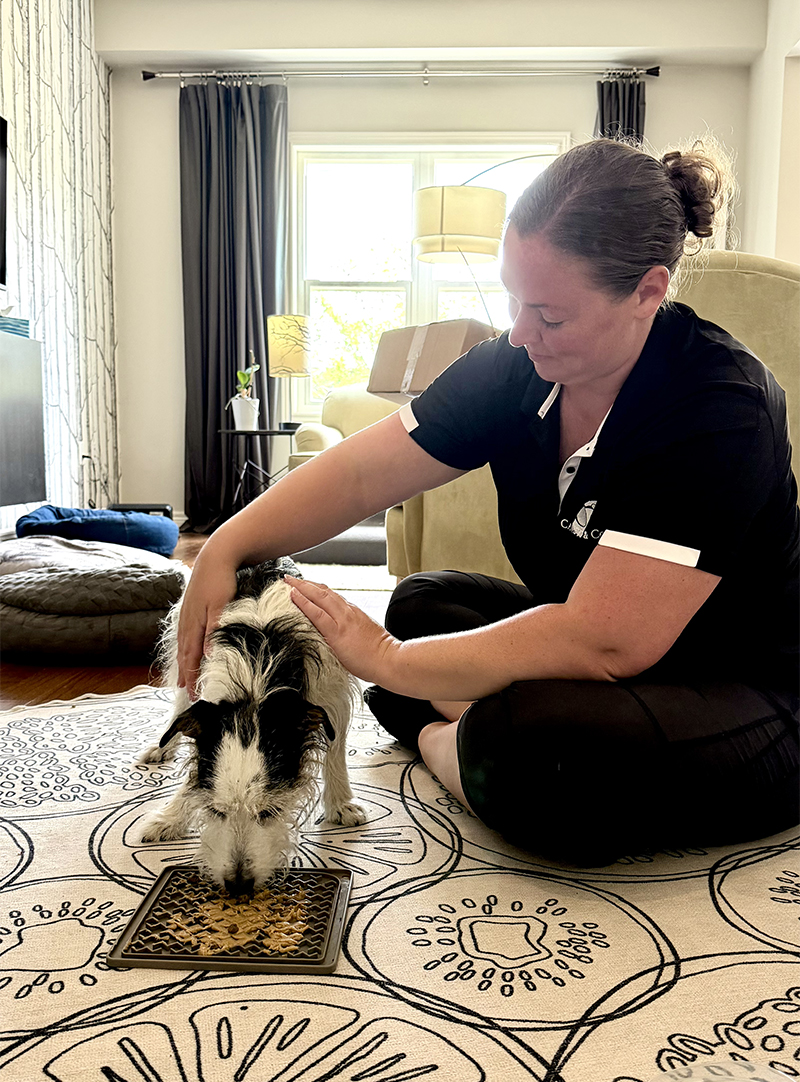
For Indy, whose sight, hearing and sense of smell are all dwindling, I find a lick mat does the trick and keeps him happy and focused. (Bonus: the repetitive licking action can release endorphins, which helps keep your dog calm and can soothe anxiety.)
6. Watch the waistline
Just like us, a few extra pounds are hard on joints, and older dogs burn fewer calories than they used to. Ask your vet about portions and a food that suits his or her age. Watch the treats too. Try swapping in a carrot, a broccoli stem or a slice of red pepper (not the hot kind, of course) for a higher-calorie treat here and there.
7. Senior dog dental care
Dental disease is common in older dogs and can affect their overall health. If you’ve been putting it off, and their breath is bad or you suspect dental issues, now’s the time to investigate.
The kidney scare that led to Indy’s second senior wellness test, which I mentioned earlier, started when my groomer noticed his breath smelled like ammonia. It could have been kidney related (it’s not), but it’s likely the start of dental disease. I wish I had accustomed both my guys to brushing their teeth when they were young (hindsight, right?).
There are two types of teeth cleaning. A cleaning at the vet involves sedation, but it lets them look below the gum line, take x-rays and check for root infections and abscesses. Non-sedation cleaning is an option some owners choose for healthy mouths with a minimum of tartar. This cleaning doesn’t reach below the gum line, so it’s not a substitute for a full vet dental.
I’m bracing myself. Indy will need a dental soon. I’m nervous about sedation for a 15-year-old dog, but his overall health and bloodwork show that he’s a good candidate. It’s expensive but I’ve been saving up for it and it’ll be worth it if he’s experiencing pain now.
8. Notice the small changes
Pay attention to appetite, water intake, sleep, accidents in the house, or a new reluctance to jump or climb. These aren’t always “just age,” and catching them early and discussing with your vet can make a real difference to your dog’s health.
9. Make the moments count
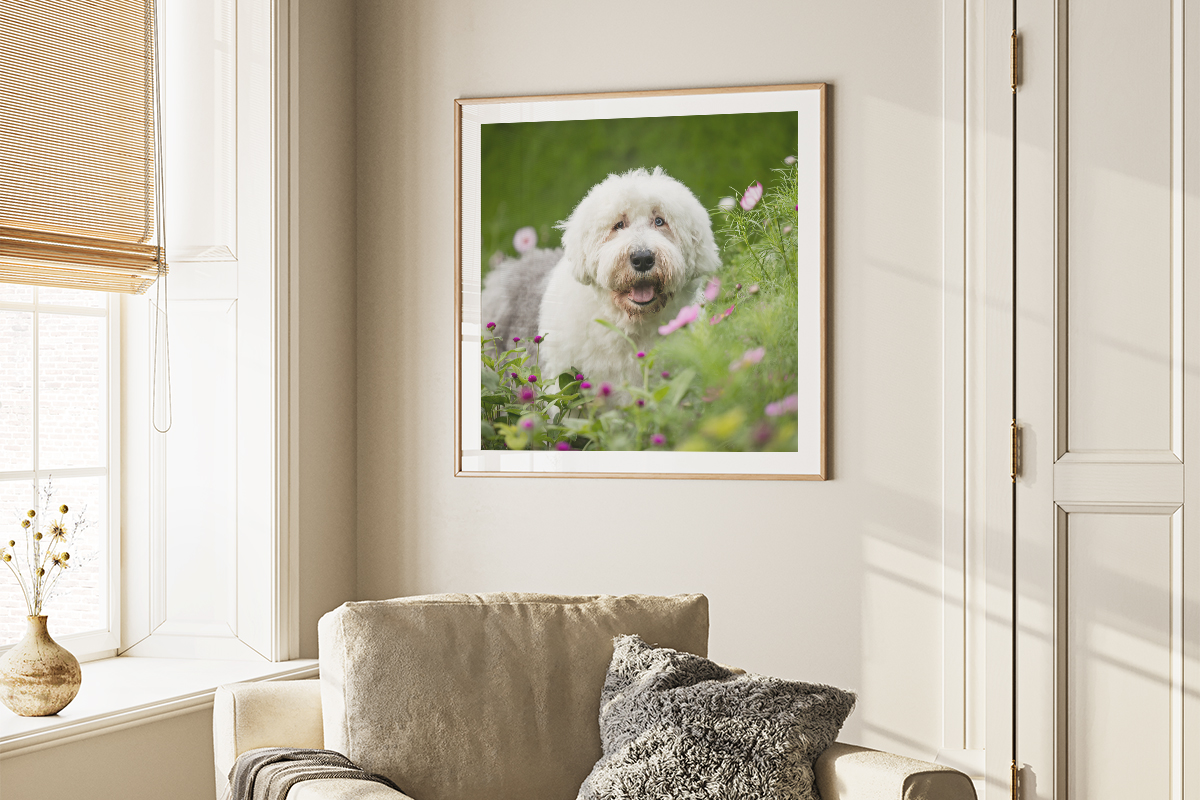
Your senior dog is the one who has been there for everything. The moves, the milestones, the long days and the quiet evenings. This stage of life deserves to be remembered properly, as beautiful artwork you can live with, not a folder of files that gets buried on a phone.
If your dog is getting a little older, or this has been sitting on your to-do list for a while, consider this a friendly nudge. There’s no perfect time. There’s just now.
Hop over to my dog photography sessions page for sessions in Niagara and beyond.
Senior dog care FAQ
When is a dog considered a senior?
Most dogs are considered seniors around age seven. Giant breeds often reach that stage sooner, and small breeds later. Your vet can help you decide what "senior" looks like for your dog.
How often should a senior dog see the vet?
Many vets recommend a check-up every six months, since changes can happen quickly. Ask your vet what schedule suits your dog.
How can I help a senior dog with stiff joints?
Assuming you've already spoken to your vet, then make home easier with traction underfoot, orthopedic bedding and ramps. Gentle, regular exercise helps, and canine conditioning or massage can ease sore joints and muscles.
How much exercise does a senior dog need?
It depends on the dog. Many do better with shorter, more frequent walks at their own pace, plus mental exercise like sniffing and scent games. Ask your vet what's right for yours.
This post is general guidance and not a substitute for your vet's advice. They know your dog best.